The Problem with Cookie-Cutter Programs
Here's the truth about fitness: what works for one person might not work for another. Yet too many trainers are still handing out the same program to every client who walks through the door.
If you want to be a great trainer, you need to understand that every single person who comes to you is different. They have different goals, different bodies, different schedules, and different needs.

What Is Personalization in Fitness?
Personalization means making a fitness plan that fits each person perfectly. Think about it like getting a custom suit instead of buying one off the rack.
Here's what you need to look at for each client:
- Their fitness level — A beginner needs different things than someone who's been working out for years.
- Health history — Maybe they had a surgery. Maybe they have a bad shoulder. You need to know this.
- Their age and lifestyle — A mom with three kids has a different schedule than a college student.
- Their real goals — Some people want to lose weight. Others want to get stronger. Some just want to feel better mentally.
- How they like to be coached — Some people need a gentle push. Others need you to call them out when they're slacking.
Why Personalization Actually Works
When you take time to build a real plan for someone, amazing things happen:
- They get better results — Programs that match their life actually work.
- They stick with it — When clients know their plan was made just for them, they keep showing up.
- They don't get hurt — You're not giving them exercises they can't do safely.
- They trust you more — This builds a real relationship that lasts.
Making Fitness for Every Body
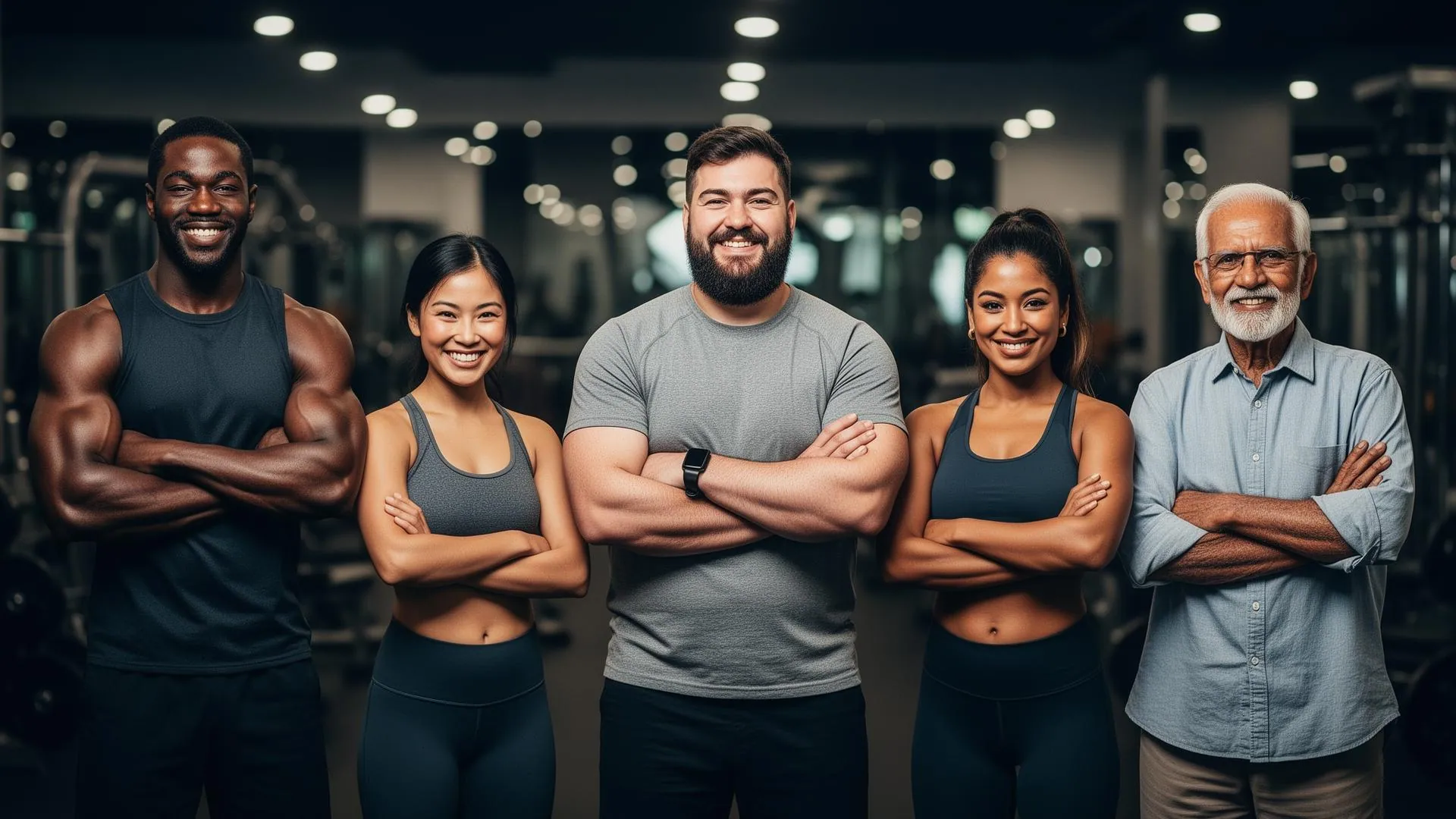
Fitness should be for everyone. Not just the people who already look like they belong in a gym.
This means:
- Making sure your gym has equipment everyone can use
- Using positive words that build people up
- Celebrating all kinds of bodies
- Having options for people with different abilities
Here's a real example: One trainer worked with a client who had one leg. That client worked harder than most people with two legs. The trainer just had to think about what exercises would work and what wouldn't. It's really about talking to your client and finding out what they're comfortable doing.

The Power of Positive Words
Never compare your clients to each other. Don't make them feel bad about where they are right now.
Your job is to build people up. If a client leaves you feeling worse about themselves than when they started, that's on you as a trainer.
Always focus on health, not just looks. Celebrate every bit of progress, even if it seems small. Did they drink enough water this week? That's huge! Did they lose half a pound? That matters!
Using Technology the Right Way
Yes, apps and AI can help with fitness training. But here's the deal: don't let ChatGPT build your programs for you.
You can use it to look things up or get ideas. But if you just copy and paste a program from AI, why would anyone pay you? They could do that themselves.
Your clients are paying for YOUR knowledge and YOUR relationship with them. Technology should help you, not replace you.
It Goes Deeper Than Squats
The best trainers understand that this work is about more than exercise. It's about helping people become the healthiest version of themselves — and that includes mental health.
Sometimes clients will come to you because they need fitness for their mental health. They might be fine with their weight. They just need to move and feel better mentally. Help them.
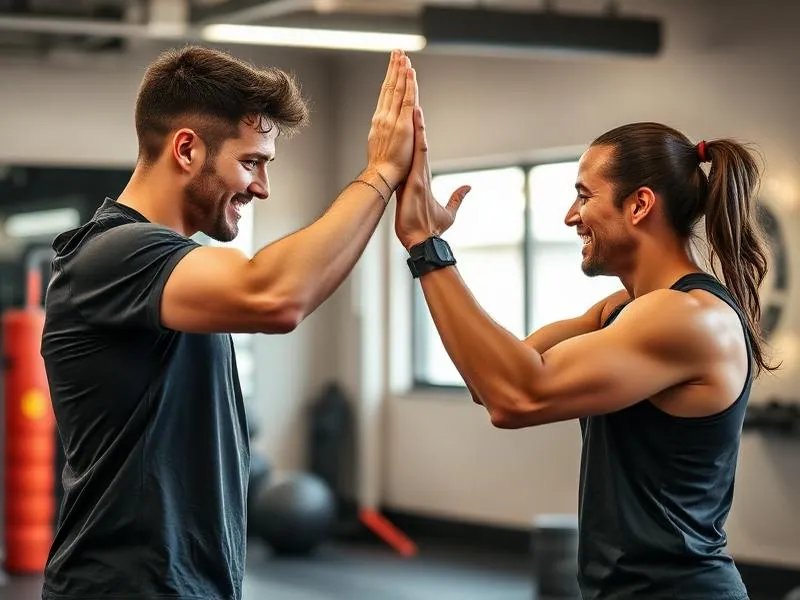
Be real with your clients. Be honest. When you take care of them, they take care of you back. When you build real community and show up as your true self, people trust you. That's when the magic happens.
How to Actually Do This
Here are the practical steps:
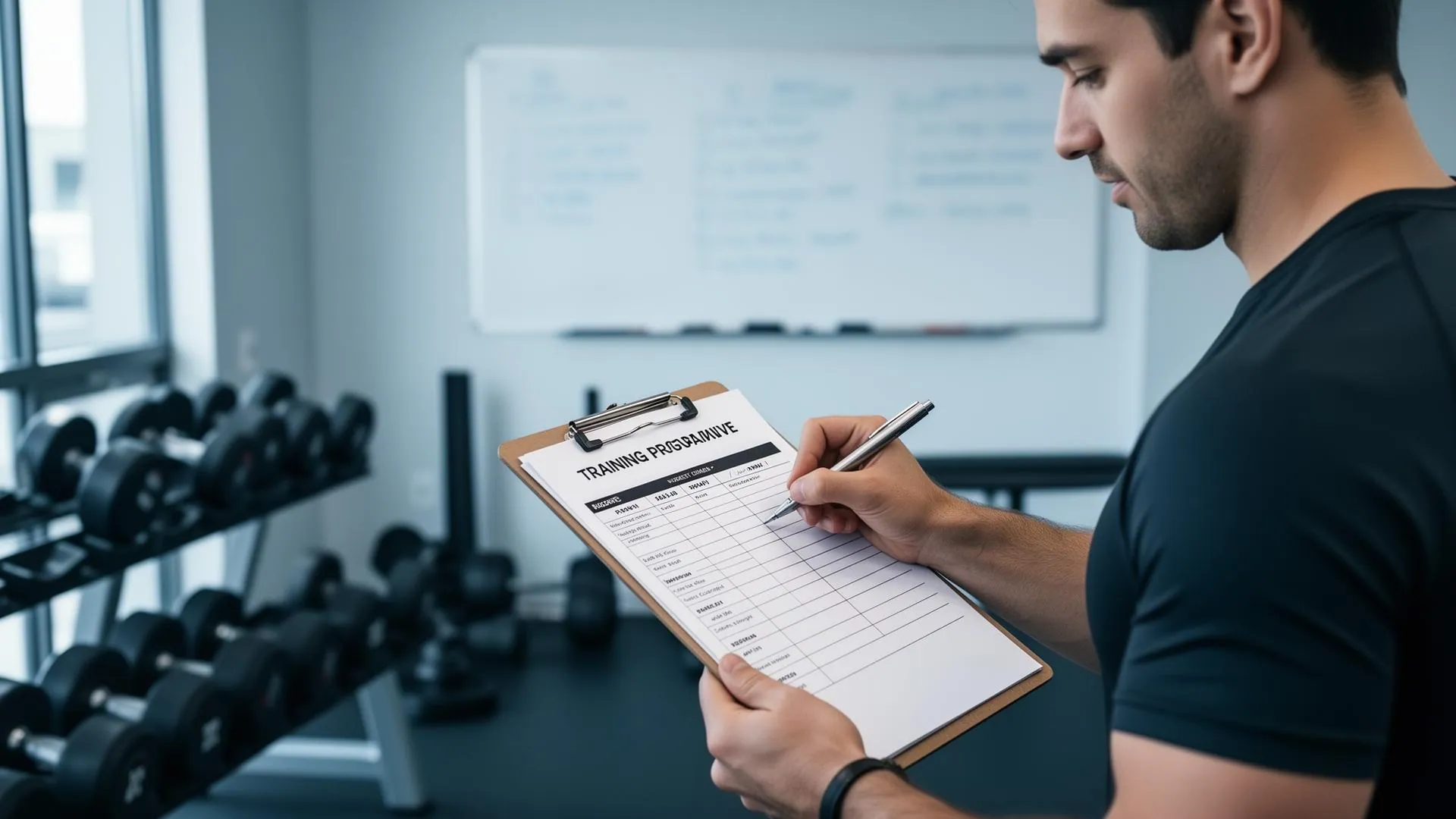
- Do good assessments — Use fitness tests, lifestyle questions, and goal-setting talks before you even start training someone.
- Make programs fit each person — No two clients should be on the exact same program unless they're in a group challenge and you made that very clear.
- Always have backup options — Know how to modify any exercise on the spot.
- Keep learning — If you're the smartest person in the room, you're in the wrong room. Learn something new every single day.
- Build a supportive space — Demand respect for everyone. Celebrate all progress, no matter how small.
The Bottom Line
Personalization and inclusivity aren't just trends. They're what good training looks like.
Your job is to meet people where they are and help them win. They're trusting you with their health, their time, and their goals. Don't let them down.
Remember: this is so much deeper than exercises. You're helping people become their best selves.
Want Your Entire Business Built in 48 Hours? Learn About Dynasty 2-Day Launch →