What Exactly Are Wearable Fitness Devices?
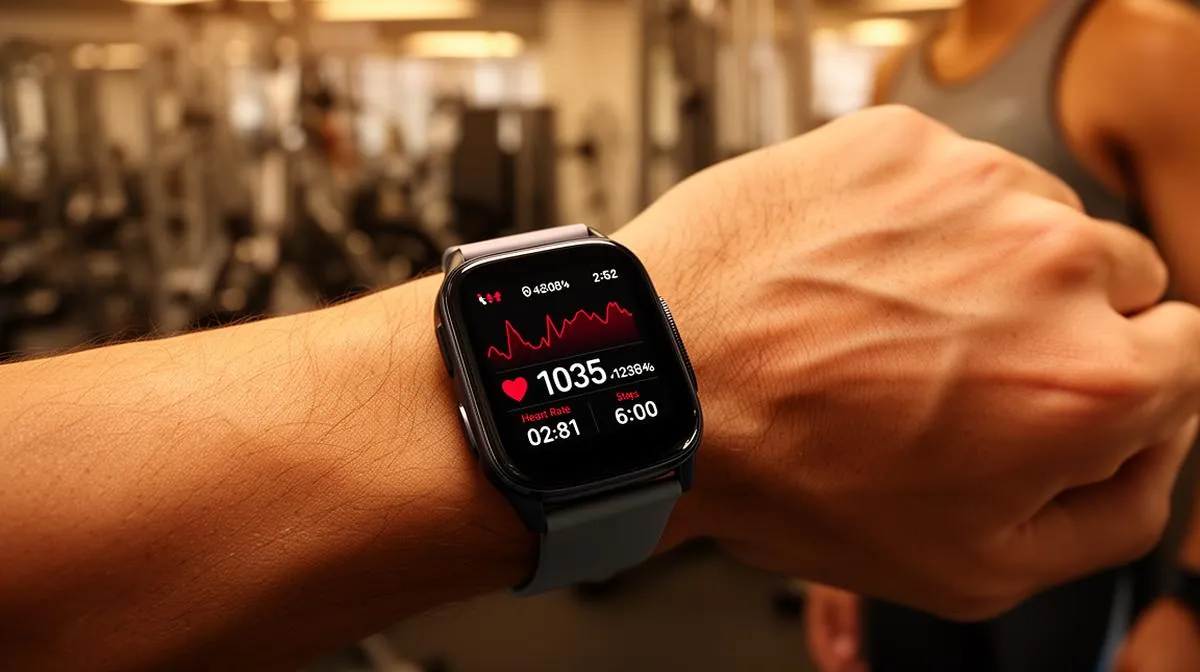
Wearable fitness technology refers to electronic devices you wear on your body that track physical activity and health data. Think of them as tiny computers that monitor your movements and vital signs throughout the day.
Types of Fitness Wearables
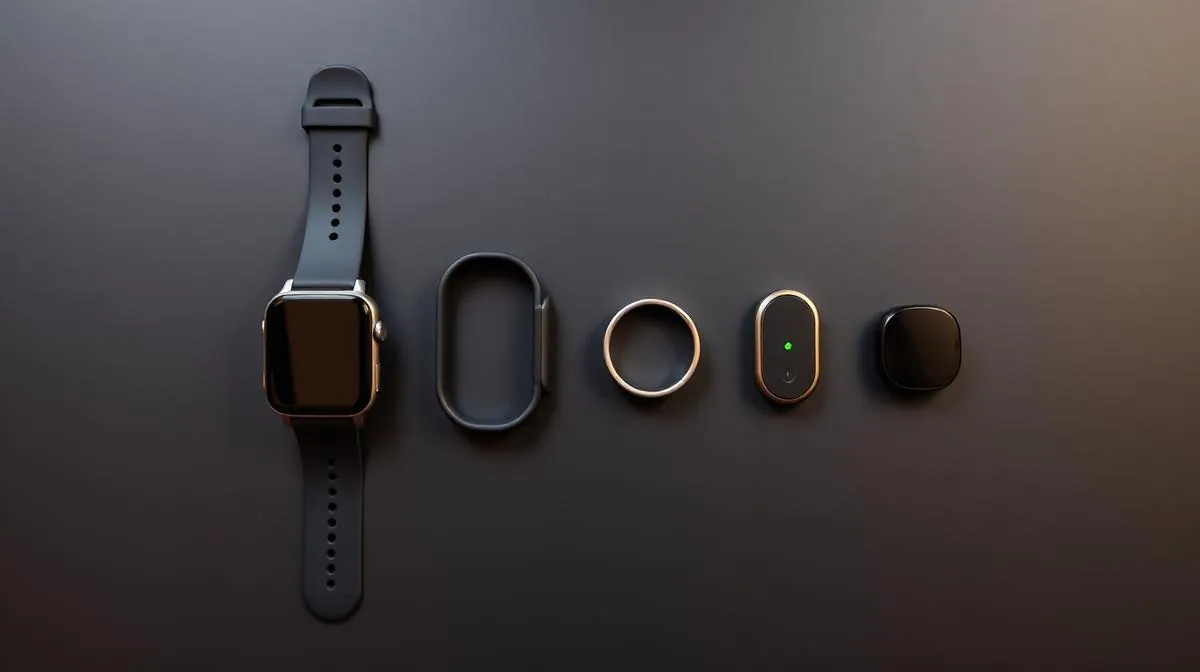
Smartwatches like the Apple Watch, Samsung Galaxy Watch, and Garmin devices combine fitness tracking with smartphone features. They typically cost between $200 and $800.
Fitness Bands like Fitbit and Xiaomi Mi Band focus purely on health and activity tracking. They're lighter, cheaper ($50–$150), and have longer battery life.
Smart Rings — the Oura Ring leads this category. These tiny devices slip on your finger and track sleep, heart rate, and activity. Perfect for people who don't like wearing watches. Expect $300–$400.
Smart Clothing is the newest frontier. Companies are embedding sensors directly into shirts, shorts, and sports bras to track heart rate, breathing patterns, and even muscle activation ($100–$300 per item).
Market Snapshot: The global wearable fitness technology market hit $75.9 billion in 2025. By 2033, experts predict it will reach $352 billion — a growth rate of 18.5% every single year. Over 560 million wearable devices shipped in 2024 alone.
What Do Fitness Wearables Actually Track?
Step Count and Distance
The most basic feature found on every fitness wearable. The device uses an accelerometer to detect walking or running and estimates distance based on stride length. Research shows people who track their steps walk more — and recent studies suggest even 7,000 steps can provide major health benefits.
Heart Rate Monitoring
Wearables use optical sensors (photoplethysmography) that shine light into your skin and measure blood flow. Heart rate data helps you understand workout intensity — are you in the fat-burning zone? Are you pushing too hard? Many devices now also track heart rate variability (HRV), which shows how well your body is recovering.
Sleep Tracking

Your wearable monitors movement and heart rate while you sleep to estimate sleep stages — light sleep, deep sleep, and REM sleep. Good sleep is critical for fitness progress, and sleep data can help you spot patterns to improve your rest.
Calorie Burn Estimates
Wearables calculate calories using your personal data (age, weight, height, gender) combined with activity data. This is one of the least accurate features — more on that shortly.
Advanced Metrics
Higher-end devices now track metrics that used to require lab equipment:
- VO2 Max: Maximum oxygen uptake, indicating cardiovascular fitness
- Blood Oxygen: Oxygen saturation levels in your blood
- Stress Levels: Based on heart rate variability
- Recovery Scores: Daily readiness ratings
- Training Load: Cumulative workout intensity over time
The Big Question: How Accurate Are They Really?
This is where things get interesting. Fitness wearables make bold promises, but the reality is more complicated.
| Metric | Average Accuracy | Best Performer |
|---|---|---|
| Heart Rate | 76% | Apple Watch (86%) |
| Step Count | 69% | Varies by device |
| Calories Burned | 57% | Apple Watch (71%) |
Heart Rate: Pretty Good But Not Perfect
Six out of seven major devices measure within a 5% error rate at rest or during steady-state cardio. However, accuracy drops during HIIT or exercises with lots of arm movement. For most regular workouts, heart rate data is good enough for tracking trends and training zones.
Step Count: Decent for Daily Tracking
69% accuracy sounds low but works fine for daily use. The issue is that devices count any arm movement as a potential step — clapping, typing, or waving can register. Errors tend to balance out over time, making weekly or monthly totals reliable.
Calorie Estimates: Take Them With a Grain of Salt
At just 57% average accuracy, calorie estimates can be off by 20–30% or more. Every person burns calories differently based on fitness level, muscle mass, and metabolism. If you're using calorie burn to guide your diet, be cautious — overestimating calories burned is a common reason people struggle to lose weight.
Sleep Tracking: Useful Trends, Questionable Details
Most devices do okay detecting sleep vs. awake, but specific sleep stage estimates are often inaccurate compared to medical sleep studies. Focus on trends rather than specific numbers.
Why Wearable Fitness Technology Actually Works
Despite accuracy limitations, research shows wearables do help people get healthier:
- Awareness Creates Change: People who track steps walk an average of 1,800 more steps per day — about 10 extra miles per week
- Real-Time Feedback: Watching heart rate during exercise helps you stay in target training zones
- Personalized Insights: AI analyzes your data over time and provides recommendations unique to your patterns
- Gamification: People using wearables with social features exercise 27% more than those without
- Recovery Management: Recovery scores prevent overtraining and reduce injury risk
Pro Tip: Focus on trends, not daily numbers. Is your resting heart rate going down over time? Are you sleeping better this month than last? These patterns matter more than daily fluctuations.
Emerging Trends in Wearable Fitness Technology
The technology keeps getting better. Here's what's coming next:
- Non-invasive glucose monitoring for diabetics without finger pricks
- Hydration tracking by analyzing sweat composition
- AI-powered coaching that corrects your form in real time using motion sensors
- Smart sportswear with embedded sensors for more accurate heart rate and muscle activation data
- Connected fitness ecosystems — your wearable talks to gym equipment, adjusting settings automatically
How to Choose the Right Wearable
| Device Type | Best For | Price Range | Battery Life |
|---|---|---|---|
| Basic Fitness Band | Casual users, beginners | $50–$150 | 5–7 days |
| Running Watch | Serious runners, athletes | $300–$700 | 7–14 days |
| Smartwatch | Tech enthusiasts, all-around | $250–$800 | 1–2 days |
| Smart Ring | Sleep tracking, discreet wear | $300–$400 | 4–7 days |
| Recovery Band | Serious athletes, recovery | $30/mo subscription | 4–5 days |
Getting the Most From Your Fitness Wearable
- Wear It Consistently: The algorithms learn your patterns and improve over time
- Set Realistic Goals: Don't jump from 3,000 to 10,000 steps overnight
- Use the Data, Don't Obsess: Think of your wearable as one tool in your fitness toolbox
- Connect With Others: Social challenges significantly increase motivation
- Pair It With Good Habits: Technology supports your efforts but doesn't replace solid programming, proper form, balanced nutrition, and quality sleep
Remember: Technology is a tool, not a solution. The most important factor in fitness isn't the device on your wrist — it's the choices you make every day. No wearable will do the pushups for you.
Common Mistakes to Avoid
- Trusting Calorie Counts Too Much: Don't eat back all the calories your wearable says you burned
- Comparing Your Data to Others: Your resting heart rate and sleep needs are unique to you
- Buying Based on Features You Won't Use: That $600 GPS watch is wasted if you only work out at home
- Ignoring Your Body's Signals: Take a rest day even if your wearable says you're recovered
- Not Securing Your Account: Use strong passwords and enable two-factor authentication
The Bottom Line
For most people, fitness wearables are worth it. Despite accuracy limitations, they increase awareness, motivation, and accountability. They're especially helpful for beginners who need encouragement and experienced athletes who want to optimize training.
The best fitness tracker is the one you'll actually wear. Find something comfortable, affordable, and feature-appropriate for your needs. Your future self will thank you for the investment.
Want Your Entire Business Built in 48 Hours? Learn About Dynasty 2-Day Launch →