
The Hidden Cost of Losing Clients
Most trainers obsess over getting new clients. Few think about keeping them. That's a massive strategic error.

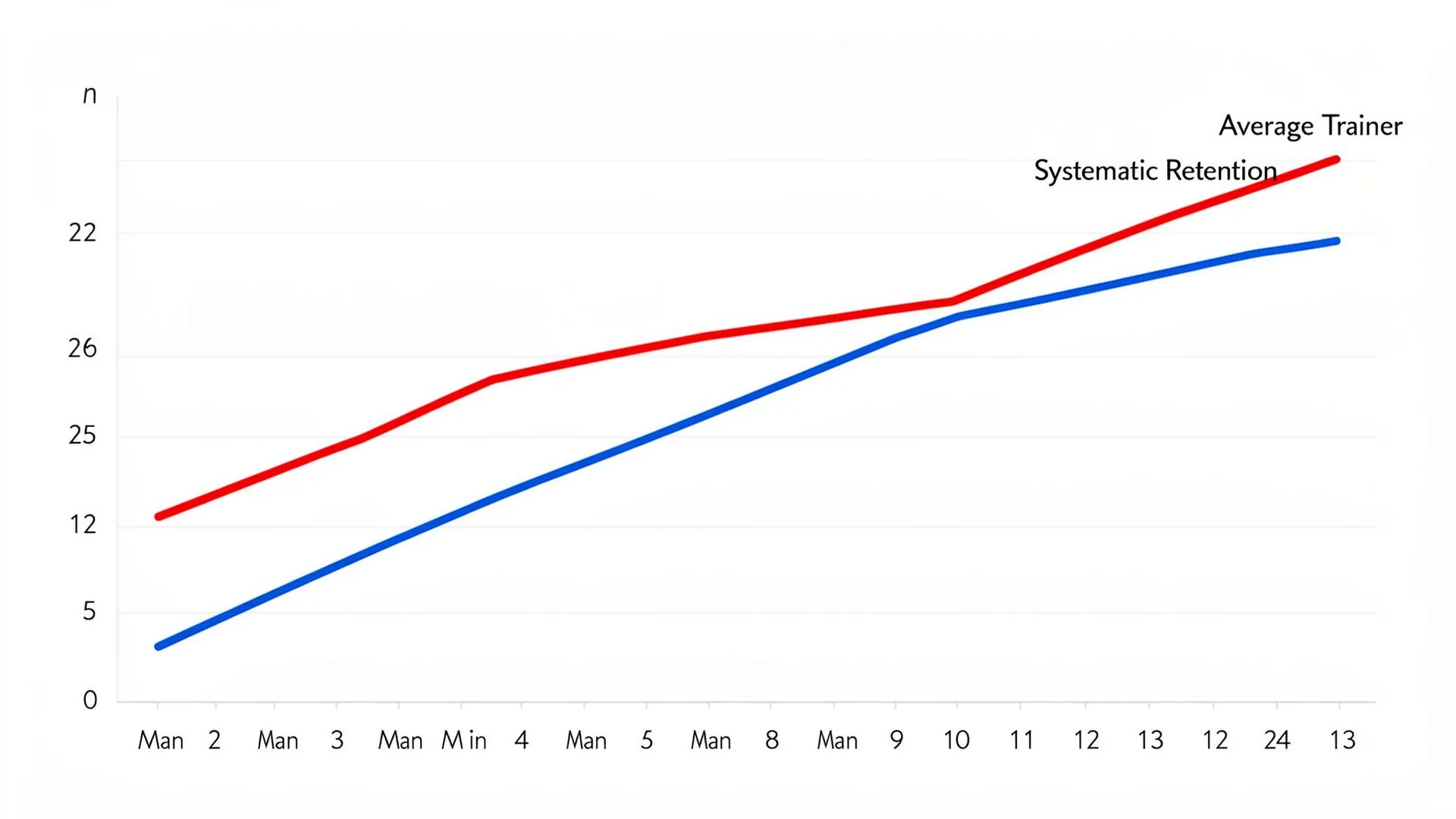
According to Harvard Business Review, acquiring a new customer costs 5 to 25 times more than retaining an existing one. And increasing customer retention by just 5% can boost profits by 25-95%.
Let's put that in personal training terms: If a client pays $400/month and stays for 3 months, their lifetime value is $1,200. If that same client stays for 12 months, it's $4,800. Same client. Same effort to acquire. 4x the revenue.
Why Clients Really Leave (It's Not What You Think)
A study by IHRSA found that the #1 reason members leave isn't dissatisfaction with results — it's feeling like nobody notices whether they show up or not.
Read that again. Clients don't leave because your programming is bad. They leave because they feel invisible. Every retention strategy below addresses this core truth.
Strategy 1: The First 30 Days Are Everything
The onboarding experience determines whether a client stays for 3 months or 3 years. Research from Bain & Company shows that customers are most likely to churn in the first 90 days.

Your First-30-Days Checklist:
- Day 1: Welcome message + what to expect document
- Day 3: Personal check-in text: "How are you feeling after our first session?"
- Day 7: First progress metric recorded (even small wins count)
- Day 14: Celebration of first milestone + photo
- Day 30: Formal 30-day review with updated measurements and goals
This structure makes clients feel seen, supported, and invested. They've built momentum they don't want to lose.

Strategy 2: Celebrate Milestones Systematically
Humans are wired for recognition. Use it. Create automatic milestone celebrations for:
- Session milestones: 10th session, 25th, 50th, 100th
- Time milestones: 1 month, 3 months, 6 months, 1 year
- Performance milestones: First pull-up, bodyweight deadlift, running a mile without stopping
- Lifestyle milestones: Client reports better sleep, more energy, clothes fitting better
A simple text like "You just completed your 50th session! That puts you in the top 5% of people who start a fitness program. I'm so proud of you." takes 30 seconds and creates massive loyalty.
These celebrations also become fuel for your testimonial system.
Strategy 3: Track and Visualize Progress Obsessively
Clients can't feel daily changes. But they can see monthly changes — if you track them. According to the American Journal of Preventive Medicine, people who track their progress are twice as likely to maintain behavior change.
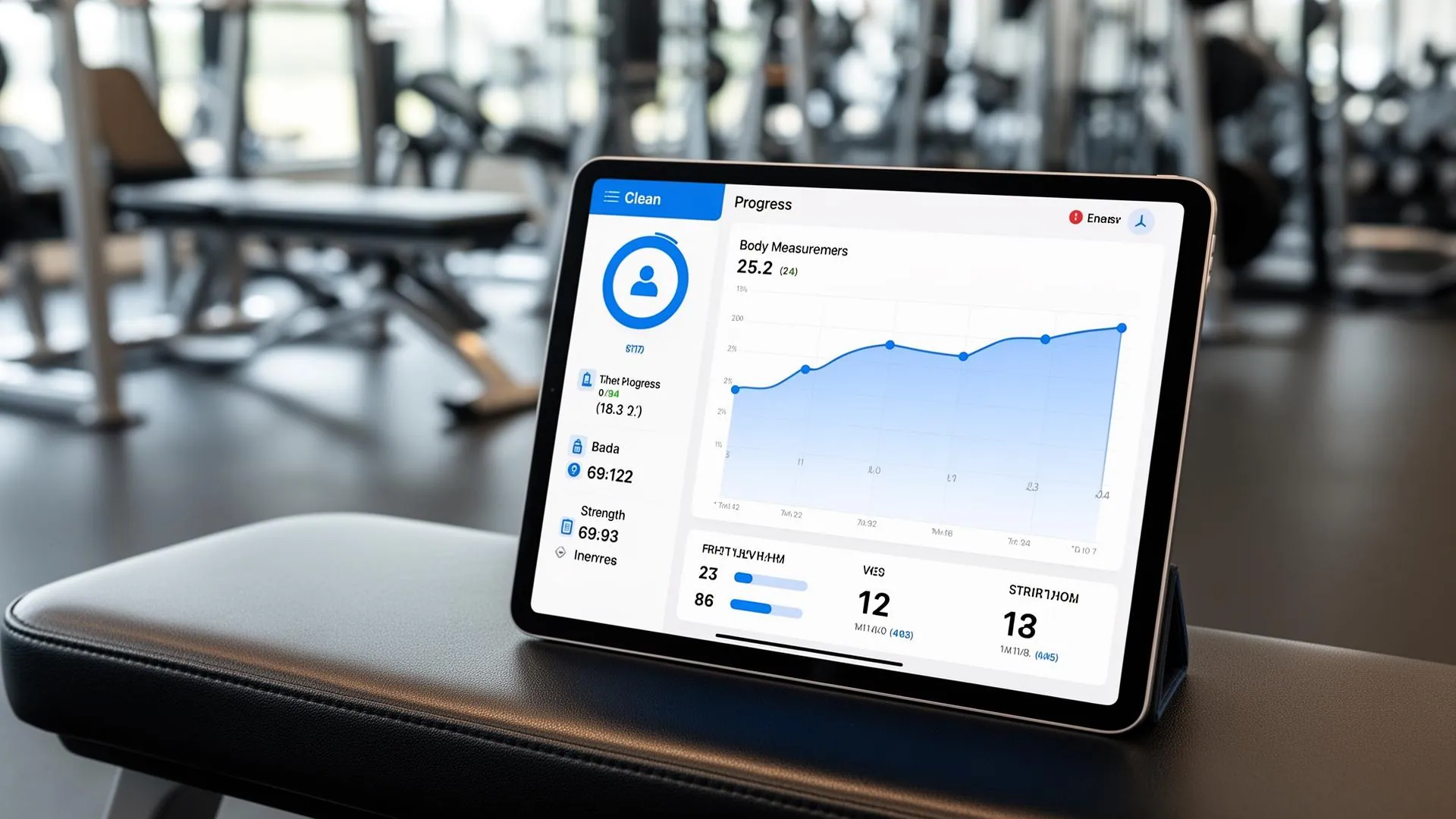
What to Track:
- Body measurements (monthly)
- Progress photos (monthly — same lighting, same angles)
- Strength benchmarks (every 4-6 weeks)
- Lifestyle indicators (energy, sleep, stress levels)
Build a "client dashboard" — even a simple Google Sheet — that shows their trajectory over time. When a client feels stuck, pulling up 3 months of data showing consistent improvement is the most powerful retention tool you have.
Strategy 4: Build a Community Around Your Brand
Isolated clients cancel. Connected clients stay. Creating a sense of belonging beyond just the sessions is one of the highest-ROI retention investments you can make.
- Private group chat (Facebook group, WhatsApp, or a community platform) where clients support each other
- Monthly group events: Hikes, outdoor workouts, healthy cooking nights
- Client spotlights: Celebrate one client's wins each week publicly in the group
- Accountability partners: Pair clients together for extra support
We built TrainSpace Community specifically because we saw how dramatically community engagement improves retention — both for trainers and their clients.
Strategy 5: Proactive Check-Ins Between Sessions
The time between sessions is where clients make or break their results. And it's where most trainers go completely silent.
A simple midweek text takes 15 seconds: "Hey [Name], how's the nutrition going this week? Remember — consistency beats perfection." This tiny touchpoint communicates that you care about their life, not just the hour they pay you for.
If manual texting feels overwhelming, this is exactly the kind of task that AI and automation can handle. Set up automated check-in sequences that feel personal.
Strategy 6: Evolve the Program Before They Get Bored
Programming staleness is a silent retention killer. If a client is doing the same routine in month 4 that they did in month 1, they're mentally checking out.
- Phase your programming in 4-6 week blocks with clear goals for each phase
- Introduce new modalities: Add mobility work, conditioning challenges, or skill work periodically
- Set progressive goals: When they hit one goal, immediately set the next one
- Ask what excites them: "What's a fitness goal you've always wanted to try?" shows you value their input
Strategy 7: The 90-Day Renewal Conversation
Don't wait for clients to cancel. At the 90-day mark, schedule a formal review:
- Review all progress data and photos
- Celebrate wins explicitly
- Discuss what's working and what isn't
- Set goals for the next 90 days
- Recommend the best program tier for their next phase
This conversation resets their commitment and gives them a clear reason to stay. It also creates a natural upsell opportunity — many clients will upgrade to a higher tier when they see their results and want to accelerate.
The Math That Changes Everything
Let's say you currently have 15 clients averaging $400/month with a 4-month average retention:
- Current annual revenue: 15 × $400 × 4 = $24,000 (plus constant hustle for replacements)
- With 10-month retention: 15 × $400 × 10 = $60,000 (with way less acquisition pressure)
Same 15 clients. Same price. $36,000 more per year just from keeping them longer. That's the power of retention.
Stop chasing new clients to replace the ones you're losing. Fix the leak first. Then growth takes care of itself.
Next Step: Make Sure Your Pricing Supports Long-Term Retention → Read Our Pricing Guide
Want All Your Client Systems Built in 48 Hours? Learn About Dynasty 2-Day Launch →