
How to Run a Fitness Challenge That Gets You 20+ New Clients
Getting new clients can sometimes feel like a puzzle, right? You try this, you try that, and it doesn't always click. But what if there was a powerful way to not only help people but also show them exactly how amazing your coaching is? That's exactly what a well-designed fitness challenge can do for you. I'm talking about a challenge that brings in twenty or more new clients. Yes, you read that right!
A fitness challenge isn't just about getting people to work out for a few weeks. It's about building a community, showcasing your expertise, and proving your value. When you do it right, participants see results, they feel good, and they naturally want to continue working with you. Let's break down how to make this happen.
Step 1: The 'Why' Behind Your Challenge - Setting Clear Goals
Before you even think about exercises or meal plans, you need to know why you're doing this. What's your main goal? Is it to get 20 new clients? To build your email list? To establish yourself as the go-to expert in a specific niche? Your goal will shape everything else. Be super clear here.

For example, if your goal is 20 new clients, you'll need to think about how many people need to join the challenge, and what your conversion rate will be from challenger to paid client. Don't pull numbers out of thin air. Think big, but think smart.
Step 2: Designing Your Irresistible Challenge
Choose a Specific and Exciting Theme
This is where you make your challenge stand out. Don't just call it '30-Day Fitness Challenge.' That's boring. Make it something catchy and benefit-driven. Think:
- '21-Day Core Blaster for Busy Moms'
- '7-Day Sugar Detox for Energy Boost'
- '30-Day Home Shred for Men Over 40'
The more specific it is, the more it speaks directly to your ideal client. What problem are you solving for them? What ultimate benefit will they get?
Determine the Duration and Structure
How long should your challenge be? Most successful challenges are:
- 7 Days (great for a quick win and lead generation)
- 14 Days (a bit more commitment, deeper results)
- 21 Days (solid for showing significant progress)
- 30 Days (gives a good sense of a new habit formation)
For getting 20+ clients, a 21 or 30-day challenge often works best because it allows enough time for participants to see real results and build trust with you. Shorter challenges are awesome for lead magnets, but less effective for direct client conversion.
What will the structure look like? Daily workouts? Weekly meal plans? Live Q&A sessions? Make it easy to follow but also engaging.
Craft the Content: Workouts, Nutrition, and Support
This is the core of your challenge. You need to provide real value. Don't hold back. Give them a taste of what it's like to work with you.
- Workouts: Are they daily? How long? Bodyweight or equipment? Provide clear instructions, maybe even video demos. Make them progressive. Start easy, build up.
- Nutrition: This is huge for client results. Provide simple, actionable meal ideas, recipes, or a simple guide to healthy eating. Avoid overly restrictive plans for a free challenge.
- Support: This is where you shine! A private Facebook group is perfect. You can post daily tips, answer questions, and build a community. This interaction builds trust and rapport.
- Education: Small daily tips or short videos on topics like hydration, sleep, stress management, or proper form can elevate your challenge.
Think about what your ideal client needs most. What are their biggest struggles when it comes to fitness and health?
Step 3: Promoting Your Challenge Like a Pro
Okay, you've built an awesome challenge. Now, how do you get people to join? This is crucial for hitting that 20+ client goal.
Create a Compelling Landing Page
You need one central place where people can learn about and sign up for your challenge. This is your challenge's home base. It should include:
- A catchy headline (the same as your challenge theme).
- A clear description of what the challenge involves and what participants will achieve.
- Benefits, benefits, benefits! How will their life improve?
- Your story: Why are you the best person to lead this challenge?
- Testimonials (if you have them from previous challenges or clients).
- A clear call to action: 'Join the Challenge Now!'
- A simple sign-up form: name and email.
This landing page is where you convert curious visitors into challenge participants. Make it clean and easy to navigate.
Leverage Social Media
This is probably your biggest outreach tool. Don't just post once. Post consistently across all your platforms.
- Facebook & Instagram: Create engaging posts, stories, and Reels. Use eye-catching graphics. Talk about the benefits of joining. Run a few live videos explaining the challenge. Ask questions to get engagement. Use relevant hashtags. Learn more about creating a social media plan here.
- TikTok: Short, energetic videos showing snippets of workouts or healthy tips relevant to your challenge can go viral.
- LinkedIn: If your target audience is professionals, don't overlook LinkedIn. Frame the challenge around stress relief, energy for work, or fitting fitness into a busy schedule.
Email Marketing: Your Secret Weapon
If you have an existing email list, this is GOLD. Send out a series of emails promoting the challenge. Remember to:
- Build excitement before the registration opens.
- Send a launch email when registration goes live.
- Send reminder emails as the deadline approaches.
- Highlight testimonials from past participants if you have them.
Even if your list is small, it's often your most engaged audience. Check out our guide on email marketing for more tips.
Collaborate with Others
Partnering with local businesses or other non-competing professionals can expand your reach. Think:
- A healthy meal prep service
- A sportswear store
- A chiropractor or massage therapist
- A local health food store
They can promote your challenge to their audience, and you can offer them a shout-out or a small percentage for referrals.
Consider Paid Ads (Optional, but Effective)
If you have a marketing budget, Facebook and Instagram ads can target your ideal client with incredible precision. Even a small budget can yield great results if your ad copy and targeting are on point. Focus on the transformation your challenge offers.
Step 4: Running the Challenge - Deliver an Amazing Experience
You've got challengers! Now, it's time to impress them.
Be Present and Engaged
This is not a set-it-and-forget-it thing. Be active in your private group. Log in daily. Respond to comments. Answer questions. Offer encouragement. Your presence makes a huge difference.
Create a Supportive Community
Encourage participants to share their wins, struggles, and questions. Ask open-ended questions to get them talking. A strong community keeps people motivated and makes the challenge more enjoyable.
Provide Daily Value
Beyond the core workouts and nutrition, offer small daily tips, motivational quotes, or short educational videos. This keeps people coming back and feeling supported.
Track Progress and Celebrate Wins
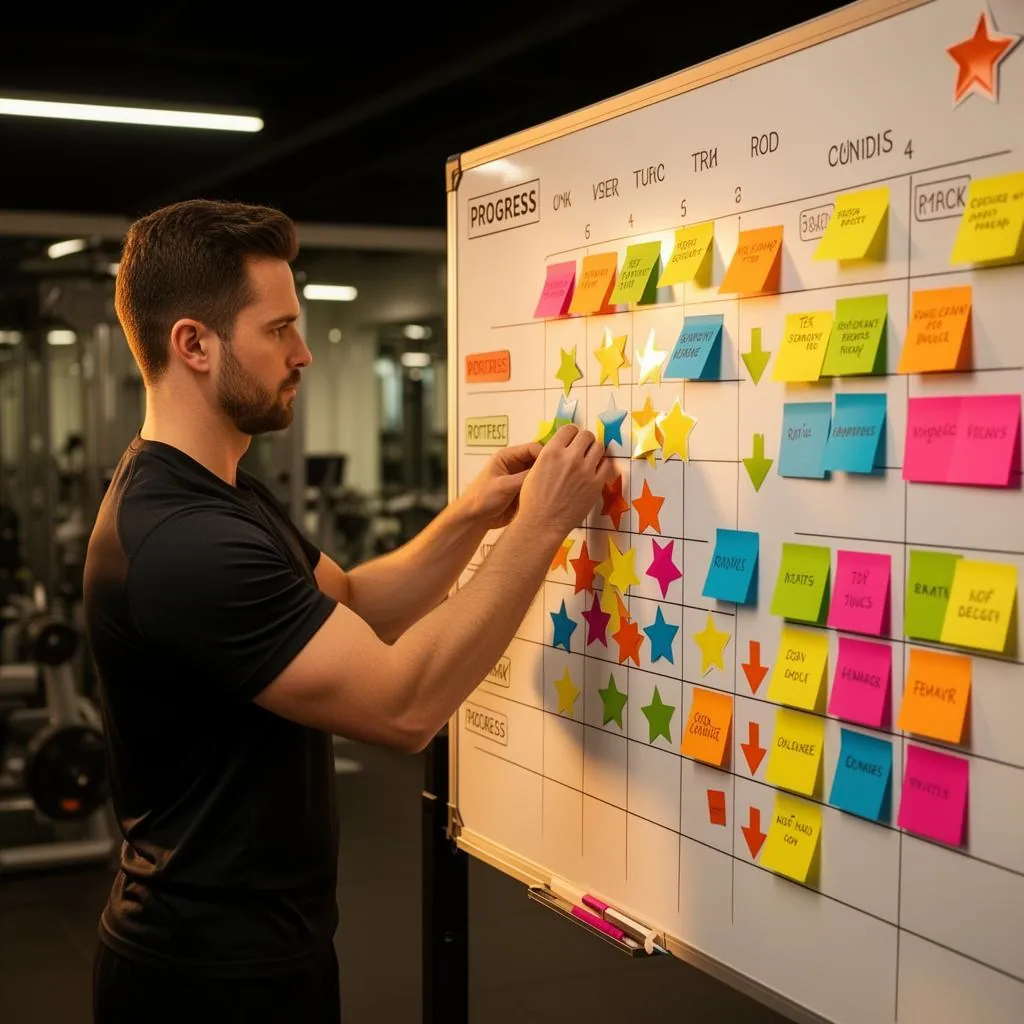
Encourage participants to track their progress (measurements, photos, energy levels). Acknowledge their efforts and celebrate every win, big or small. Public praise in the group motivates everyone.
Step 5: Converting Challengers into Clients
This is where the magic happens and you hit your 20+ new client goal. Don't just end the challenge and walk away. You need a clear strategy to transition these engaged participants into paying clients.
The 'Conversion Ladder' Approach
Think of it as a smooth transition, not a sudden sales pitch. You've already built trust and demonstrated value. Now, offer them the next step.
Phase 1: During the Challenge - Soft Introductions
- Share Your Story: On a live video or in a post, briefly share your 'why' and your journey as a trainer. This builds connection.
- Hint at Long-Term Support: Casually mention how deeper dive coaching works or what happens after the challenge. E.g., "These workouts are just a glimpse of what we can achieve with personalized coaching!"
- Showcase Successes: If you have current clients getting amazing results, share their (anonymous) stories. This shows what's possible with ongoing coaching. Learn more about using social proof here.
Phase 2: Towards the End of the Challenge - The Offer
A few days before the challenge ends (e.g., day 25 of a 30-day challenge), start introducing your paid services.
- The "What's Next?" Post/Video: Create a dedicated post or a live video explaining what's available for those who want to continue their journey with you. Frame it as the natural progression.
- Introduce Your Signature Program: Don't offer everything you have. Offer one or two core services that are a natural follow-up to the challenge. Maybe a 12-week small group coaching program, or 1:1 coaching packages.
- Special Challenge-Only Offer: Give them a reason to act *now*. A discount, a bonus session, or a free strategy call if they sign up within a specific timeframe (e.g., 48 hours after the challenge ends). This creates urgency.
- The Strategy Call: This is your most powerful conversion tool. Invite interested participants to book a free discovery call with you. On this call, you'll listen to their goals, discuss their challenges, and explain how your paid program can help them achieve those goals. This is NOT a high-pressure sales call; it's a helping conversation.
Phase 3: Post-Challenge Follow-Up
- Thank You Email: Send a general thank you email to all participants. Reiterate the wins they achieved.
- Reminder Emails for Your Offer: Send one or two follow-up emails about your special offer and the opportunity for a strategy call, especially to those who engaged most during the challenge.
- Personalized Outreach: Identify your most engaged participants. Send them a personal message in the challenge group or via email. Say something like, "I noticed your amazing progress during the challenge. I'd love to chat more about how you can continue this momentum."
Tips for Conversion Success
- Focus on Transformation: Remind them of the initial 'before' and the 'after' they experienced during your challenge. Then paint a picture of their *next* transformation with your paid coaching.
- Don't Be Afraid to Sell: You've provided huge value for free. You deserve to be paid for your expertise. Believe in your program's ability to help them achieve even bigger results.
- Overcome Objections Proactively: In your sales messages or on discovery calls, address common fears or objections (e.g., 'no time,' 'too expensive,' 'can't commit'). Show them how your program addresses these points.
- Have a Clear Pricing Structure: Make it easy for them to understand what they're buying and how much it costs. Need help with pricing? Check out this guide!
Step 6: Analyze and Refine for Future Challenges
After your challenge is over, take some time to review everything. What went well? What could be better?
- How many people signed up for the challenge?
- How many completed it? (Engagement rate)
- How many booked a strategy call?
- How many converted into paying clients?
- What feedback did you receive from participants?
These insights will help you make your next challenge even more successful and consistently hit that 20+ new client goal. The more challenges you run, the better you'll get at it.
Running a fitness challenge is more than just a marketing tactic. It's an opportunity to serve a broader audience, build a stronger community, and ultimately grow a thriving business doing what you love. Get out there, plan your killer challenge, and watch those new clients roll in!