
How to Scale Your Personal Training Business Beyond 1-on-1 Sessions
Being a personal trainer is rewarding. You change lives one session at a time. But there's a limit to how many 1-on-1 sessions you can do. Your time is finite. This means your income is also finite.
Scaling your business means finding ways to help more people without adding more hours to your day. It’s about working smarter, not just harder. Let's explore how you can do this.
Why Scale Your Personal Training Business?
Running a fitness business should give you freedom. If you're always booked solid but still struggling to grow, it's time to change.

Scaling helps you reach more clients. It also increases your income potential. You can build a more sustainable business for the long term.
The Challenges of 1-on-1 Training
One-on-one training is the backbone for many trainers. You build deep connections with clients. You see direct results.
However, it limits your earnings. You can only work with one client at a time. This model can lead to burnout if you try to squeeze in too many sessions.
Option 1: Group Coaching Programs
Group coaching is a powerful way to scale. You train multiple clients at once. This saves you time and lets you serve more people.
Clients also benefit from a community feel. They can motivate each other. The cost is often lower for them, making it more accessible.
Designing Effective Group Programs
- Identify a Niche: What specific problem can you solve for a group? Weight loss, strength building, or beginner fitness?
- Create a Curriculum: Plan out the sessions. What will you teach each week?
- Build a Community: Use tools like private Facebook groups or WhatsApp chats. Encourage interaction.
- Define Pricing: Group rates are usually lower per person than 1-on-1. But your overall income per hour increases.
Learn more about implementing this strategy in our post on group coaching for your fitness business.

Option 2: Online Personal Training and Digital Products
The internet opens up huge opportunities. You can train clients anywhere in the world. You can also create products that sell themselves.
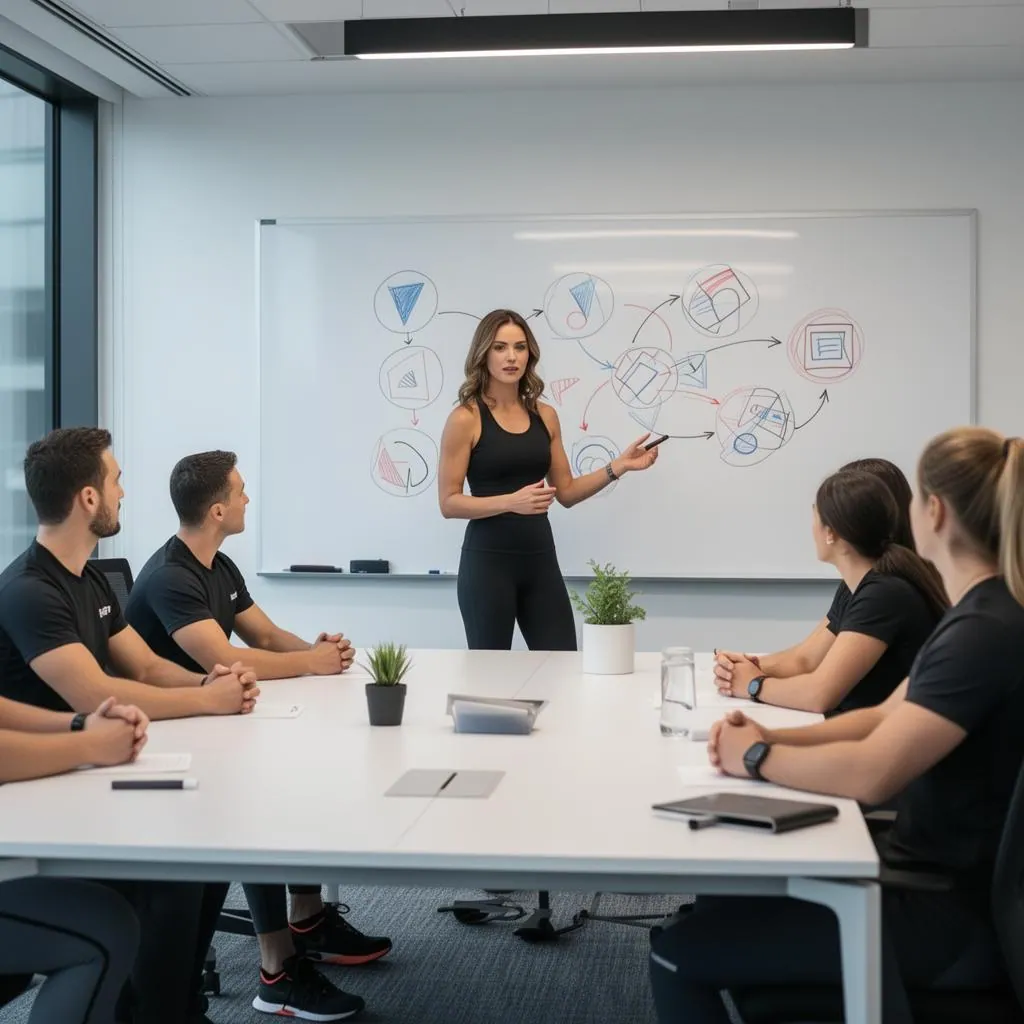
a. Online 1-on-1 Coaching
This is similar to in-person training but done remotely. You provide custom programs, check-ins, and support through calls or apps. It gives you flexibility in your schedule.
b. Online Group Coaching
Combine the power of groups with the reach of online. You can host live virtual sessions. You can also provide recorded content and a community platform.
c. Digital Products
This is where true passive income comes in. Create and sell programs, eBooks, or video series. Once created, they can be purchased again and again.
- Workout Guides: PDFs with exercise plans.
- Nutrition Plans: General meal ideas or recipe books.
- Video Libraries: Demos of exercises or full workout routines.
- Membership Sites: Offer exclusive content for a monthly fee.
Selling digital products can make money while you sleep. Check out Forbes' article on how to scale your business with digital products for more ideas.
Option 3: Team Building and Mentorship
Once you are successful, consider bringing on other trainers. This builds an agency model. You supervise them, and they deliver the training.
Hiring and Training Other Coaches
- Set Clear Standards: Define your brand's training philosophy.
- Recruit Qualified Trainers: Look for passion and professionalism.
- Mentor Them: Teach them your systems and client approach.
- Delegate: Let them handle the 1-on-1 or group sessions.
This allows you to earn a percentage of their work. It frees up your time. You can focus on business strategy and growth. Learn more about planning your business growth in our personal training business plan template.
Essential Strategies for Scaling Success
No matter which path you choose, some core business principles apply. These will help you grow smartly and sustainably.
1. Refine Your Niche and Offerings
The more specific your target audience, the easier it is to serve them. What unique problem do you solve best?
Having clear services helps you market better. It also helps you train more effectively.
2. Optimize Your Pricing Strategy
As you scale, your pricing needs to evolve. Group sessions are priced differently than 1-on-1. Digital products have their own pricing models.
Understand the value you offer. Set prices that reflect that value and your business goals. Our post on how to price personal training can guide you.
3. Leverage Technology and Automation
Technology is your best friend when scaling. Use software for scheduling, payment processing, and client communication. This saves you tons of time.
Consider tools for client management (CRM). Automate emails for onboarding or client check-ins. This keeps your business running smoothly.
Learn how AI can assist with marketing funnels in our article: AI Marketing Funnel for Personal Trainers.
4. Build Strong Marketing and Sales Systems
More offerings mean you need to tell more people about them. Create a solid marketing plan. Use social media, email marketing, and your website.
Focus on showing the value of your scaled services. Make it easy for potential clients to understand and buy. Look at high-ticket sales strategies to close deals effectively.

Email Marketing is Key
Email marketing is a vital tool for scaling. It helps you keep in touch with potential and current clients. You can announce new programs. You can share valuable content.
Building an email list is like building an asset. It's a direct line to your audience. Read our guide on email marketing for personal trainers.
5. Create an Excellent Client Onboarding Experience
Even with more clients, each one still matters. A smooth onboarding process makes a great first impression. It helps retain clients.
Systematize your intake forms, initial assessments, and welcome packets. This ensures consistency and professionalism. Learn more in our post on client onboarding systems.
6. Continuous Learning and Adaptation
The fitness industry changes. New tools and methods emerge. Stay updated. Attend workshops or get new certifications.
Be ready to adjust your business model. Listen to client feedback. This helps you stay relevant and competitive.
The National Strength and Conditioning Association (NSCA) offers great resources for continued education. Visit their website.
Your Path to a Bigger Business
Scaling your personal training business is a journey. It takes planning and effort. But the rewards are worth it.
You can help more people achieve their fitness goals. You can also build a robust and financially stable business. Start by picking one area to focus on. Then, build from there.
Ready to deeply transform your business? Check out the Exercise Professionals Academy at TrainSpace. It's designed to help you create, launch, and scale your personal training business.
Explore other helpful articles like "Personal Training Business Plan Template" and "How to Price Personal Training" to further develop your strategy.